Asphalt Crack Sealing in College Station
Asphalt Crack Sealing in College Station, TX
We serve College Station and the surrounding areas with reliable asphalt crack sealing
We provide asphalt crack sealing and asphalt crack repair services throughout College Station, TX, including neighborhoods like Pebble Creek, Creek Meadows, Castlegate, and South College Station. We also work along major corridors such as Texas Avenue, Harvey Mitchell Parkway, and Rock Prairie Road. Whether you have a residential driveway, a commercial parking lot, or a private road, we are available to take a look and get the work scheduled without a long wait.
Cracks in your pavement are a sign that your asphalt needs attention now
If you are seeing cracks forming in your driveway or parking lot, that is your pavement telling you something is wrong beneath the surface. Left alone, even small surface cracks allow water to seep into the base layer. Once water gets in, it softens the ground underneath, and the damage spreads quickly. What starts as a thin crack can turn into a wide break, a sunken spot, or eventually a pothole. Proper asphalt crack sealing stops that process before it gets expensive. The sooner you address it, the less work it takes to protect your pavement long-term.
We know College Station's climate, soil, and neighborhoods
We have been working in College Station for over 10 years, and our crews have more than 20 years of combined experience in asphalt and pavement work. That matters here because College Station sits on expansive clay soils, including Houston Black Clay, which shrinks and swells with moisture changes throughout the year. This shrink-swell soil movement puts constant stress on pavement from below, which is one reason why asphalt in neighborhoods near Bee Creek or along Wellborn Road tends to crack earlier than property owners expect. The heat along the Brazos River corridor also plays a role, pushing asphalt maintenance needs higher than in cooler climates. We understand how these local conditions affect your pavement, and we factor that into every crack sealing and pavement maintenance job we do.
Common questions College Station property owners ask about asphalt crack sealing
A lot of property owners around Texas A&M University, Century Square, and the surrounding residential areas come to us with the same questions. How bad do cracks have to get before they need to be sealed? Will sealing really make a difference, or is the pavement already too far gone? How long does the work take? These are fair questions, and the answers depend on what kind of cracks you have and how long they have been there. That is exactly why we start with an honest inspection before recommending anything. Understanding the crack sealing process explained from start to finish helps you know what to expect and why each step matters. For a closer look at what the work actually involves, the next section covers what asphalt crack sealing is and how it protects your pavement.
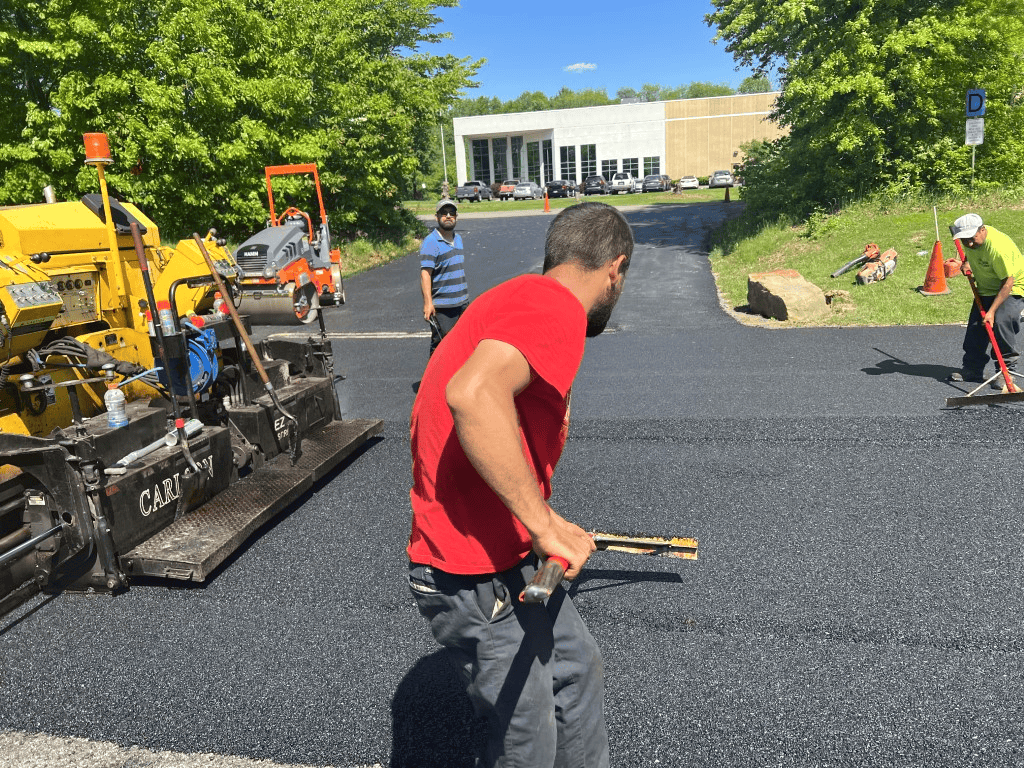
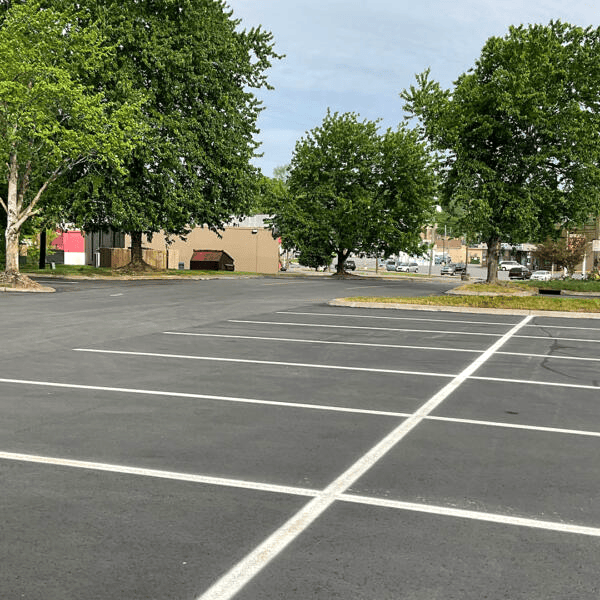
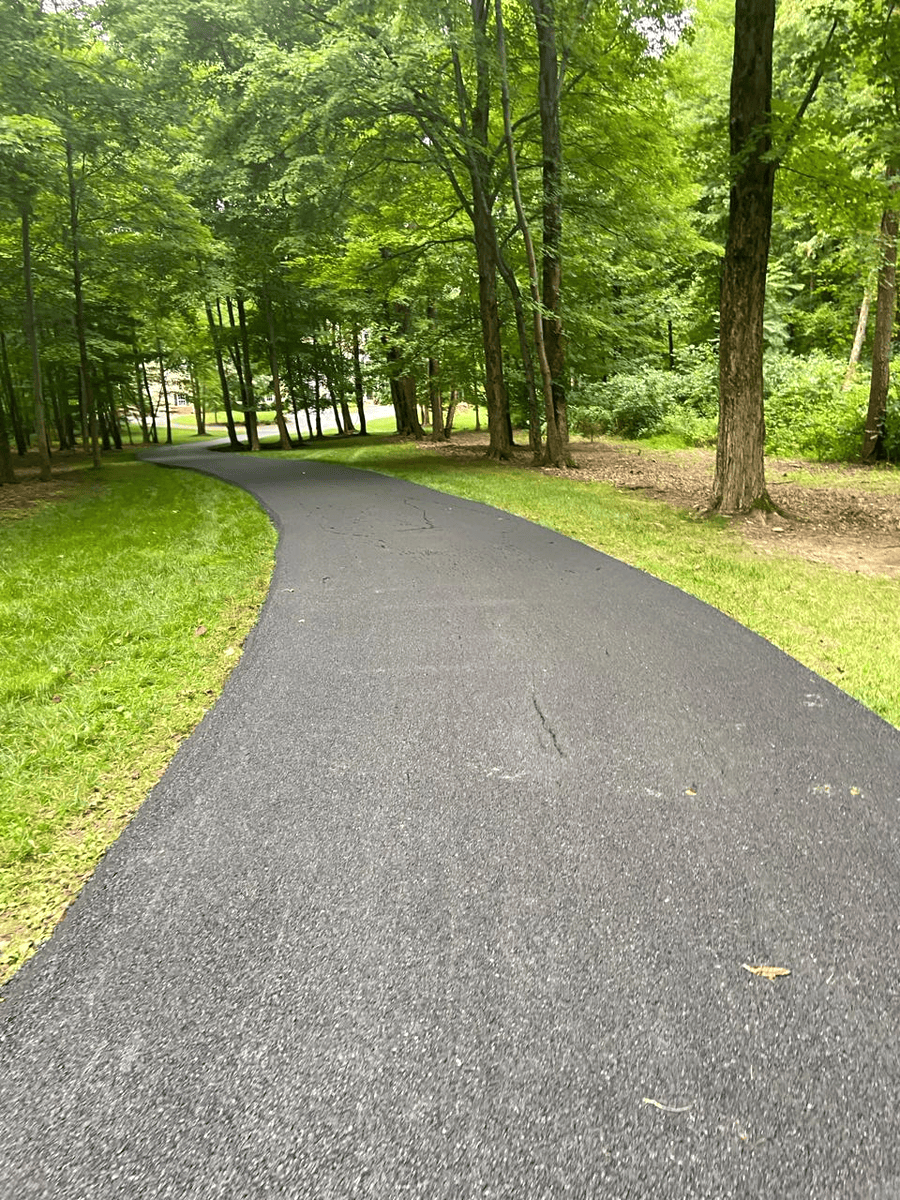
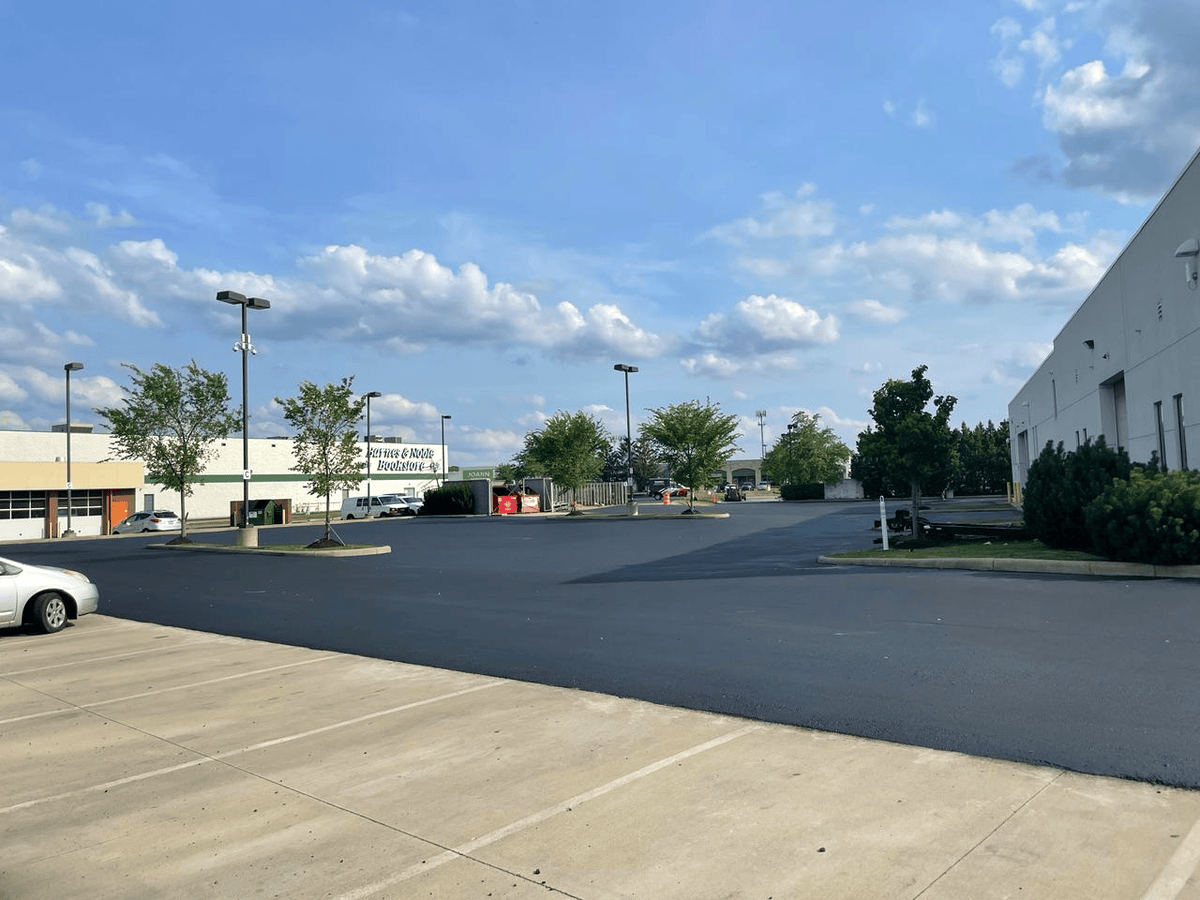
What Is Asphalt Crack Sealing
If you have a driveway, parking lot, or private road in College Station, TX, you have probably noticed cracks forming in the pavement over time. That is completely normal here. The expansive clay soils common throughout the Brazos Valley, often called Vertisols or Houston Black Clay, shift with moisture changes throughout the year. That constant movement puts stress on the pavement above it, and surface cracks are usually the first sign that something needs attention. Asphalt crack sealing is one of the most straightforward and cost-effective forms of pavement maintenance you can do to protect that investment.
How Crack Sealing Works and What It Involves
Asphalt crack sealing is the process of cleaning out a crack and then filling it with a flexible sealant that bonds to the pavement walls and keeps water from getting in. Water is one of the biggest threats to pavement because once it gets below the surface, it weakens the base and speeds up deterioration. The basic steps involve crack cleaning to remove dirt, debris, and vegetation, followed by drying the crack with a compressed air lance, and then applying a sealant material. We typically use hot-pour crack sealant made with hot-applied rubberized asphalt, which stays flexible enough to move with the pavement through College Station's warm summers and cooler winters without cracking apart. Sealant is applied using equipment like a melter applicator or wand applicator, and in some cases backer rod is placed first to control the depth of the fill. For longer-lasting results, we follow guidelines aligned with ASTM D6690 and the FHWA Crack Sealing Guidelines to make sure the sealant application is done correctly.
The Difference Between Crack Filling and Crack Sealing
These two terms get used interchangeably, but they are not the same thing. Crack filling uses a cold pour crack sealant or basic crack filler to fill a crack without much surface preparation. It is generally used on older, stable cracks that are not actively moving. Crack sealing, on the other hand, involves more thorough prep work, sometimes including crack routing with a pavement router to create a uniform channel, and the use of higher-quality materials like polymer-modified bitumen or polyurea crack filler. Crack sealing holds up better in areas with active pavement movement, which is common near roads like Harvey Mitchell Parkway or in neighborhoods built on shrink-swell soil. Knowing which approach fits your situation is part of what makes professional asphalt maintenance more reliable than a quick fix from a hardware store.
Understanding what crack sealing actually involves helps explain why timing matters so much when it comes to keeping your pavement in good shape.
Why Sealing Cracks Early Matters
When it comes to asphalt maintenance in College Station, timing is one of the most important factors. The sooner you address surface cracks, the better chance you have of protecting your pavement from deeper, more expensive damage. We have seen this play out many times across driveways, parking lots, and private roads throughout the area, and the pattern is always the same: small cracks that get ignored become big problems.
How Water Intrusion Turns Small Cracks Into Big Problems
College Station sits on expansive clay soils, including Vertisols and Houston Black Clay, which shift and move as moisture levels change. When rain soaks into even a narrow crack, it reaches the base layer beneath your pavement. That base material weakens when it gets wet, and as it dries and contracts again, the asphalt above it loses support. Over time, this cycle of shrink-swell soil movement leads to fatigue cracking, base failure, and eventually potholes. The Brazos River alluvium found in parts of our area makes this movement even more pronounced. Proper crack sealing keeps water out and gives your pavement a fighting chance against what is happening underground.
The Cost of Waiting Versus Acting Now
A basic crack repair today costs a fraction of what full pavement replacement runs later. When we seal cracks early, we stop that damage cycle before it reaches the base. We use hot-applied rubberized asphalt and equipment like an oil-jacketed melter to apply sealant at the right temperature for a lasting bond. Materials that meet standards like ASTM D6690 hold up through Texas heat and seasonal weather changes far better than cheap, off-the-shelf products. Waiting even one wet season can turn a manageable repair into something that requires full asphalt restoration, which is a much larger investment of your time and money.
Understanding why early action matters is just the first step. The next thing worth knowing is what kinds of cracks are actually showing up on your pavement and which ones need immediate attention.
A few years back, we got a call from a property manager over near Texas A&M University. They had a large parking lot that had been sitting without maintenance for quite a while, and the cracks had gotten pretty serious. We showed up expecting a straightforward asphalt crack sealing job, but what we found was a different story.
The problem was that College Station summers are no joke. The heat had caused the asphalt to expand and contract so many times over the years that some of the cracks had shifted and widened unevenly. A few spots had what we call "alligatoring," where the surface breaks apart in a pattern that looks like reptile skin. On top of that, we were working against the clock because a stretch of heavy rain was moving in from the Gulf, and crack sealing needs dry conditions to bond properly.
We had to slow down and rethink our approach. Instead of pushing through, we took extra time to clean out every crack with our blower equipment, removing all the loose debris and moisture that had settled in. We also had to use a different grade of hot rubberized sealant than we normally would, one that could handle the wider gaps we were dealing with. Some areas needed a backer rod installed first to give the sealant something solid to grip.
We finished the job just ahead of the rain, and the sealant cured properly. That parking lot is still holding up today. That job reminded us why experience matters. With over 20 years of combined experience working with asphalt and pavement, and more than 10 years serving the College Station area, we know how to read a job site and adjust when things do not go as planned.
What Types of Cracks We Repair
Hairline Cracks, Alligator Cracking, Edge Cracks, and More
Not all cracks are the same, and knowing the difference matters when it comes to asphalt maintenance and keeping your pavement in good shape. In College Station, the soil under most driveways and parking lots is made up of expansive clay, sometimes called Houston Black Clay or Vertisols. This type of soil shifts with moisture changes, which puts ongoing stress on the pavement above it. That movement, combined with Texas heat and heavy traffic near corridors like Harvey Mitchell Parkway or Texas Avenue, means surface cracks can show up faster than you might expect.
Hairline cracks are the earliest sign of pavement stress. They are thin, shallow, and often spread across the surface in no particular pattern. Left alone, they let water in and grow into something much harder to fix. Edge cracks run along the outer sides of a driveway or road and are common when the pavement has little support on the sides. Linear cracks, which include both longitudinal and transverse types, typically run along or across the pavement and often come from joint movement or subgrade shifting. Alligator cracking, named for its pattern of interconnected cracks that looks like reptile scales, usually signals a deeper base or structural problem.
Which Cracks Can Be Sealed and Which Need Patching or Replacement
This is where experience makes a real difference. We have over 20 years of combined experience in concrete and asphalt work, and more than 10 years serving properties around College Station. That background helps us quickly assess what a crack actually needs versus what might be a temporary fix that costs you more down the road.
Cracks that are stable, relatively narrow, and not caused by base failure are good candidates for asphalt crack sealing or a quality crack filler. We use hot-applied rubberized asphalt, which stays flexible through the heat cycles common here in Brazos County, and we follow guidelines consistent with ASTM D6690 standards for sealant performance. Wider or more deteriorated cracks may need routing first with a crack router to create a clean, uniform channel before any sealant application.
Alligator cracking, on the other hand, is usually a sign of base failure. Sealing those cracks without addressing what is underneath gives only a cosmetic fix. In those cases, we will tell you honestly whether patching or a more involved repair is the better path. That straightforward assessment is what helps you make a smart decision for your property and your budget.
Once we know what kind of cracks you are dealing with and the right approach for each one, the next step is the repair process itself.
Our Asphalt Crack Sealing Process
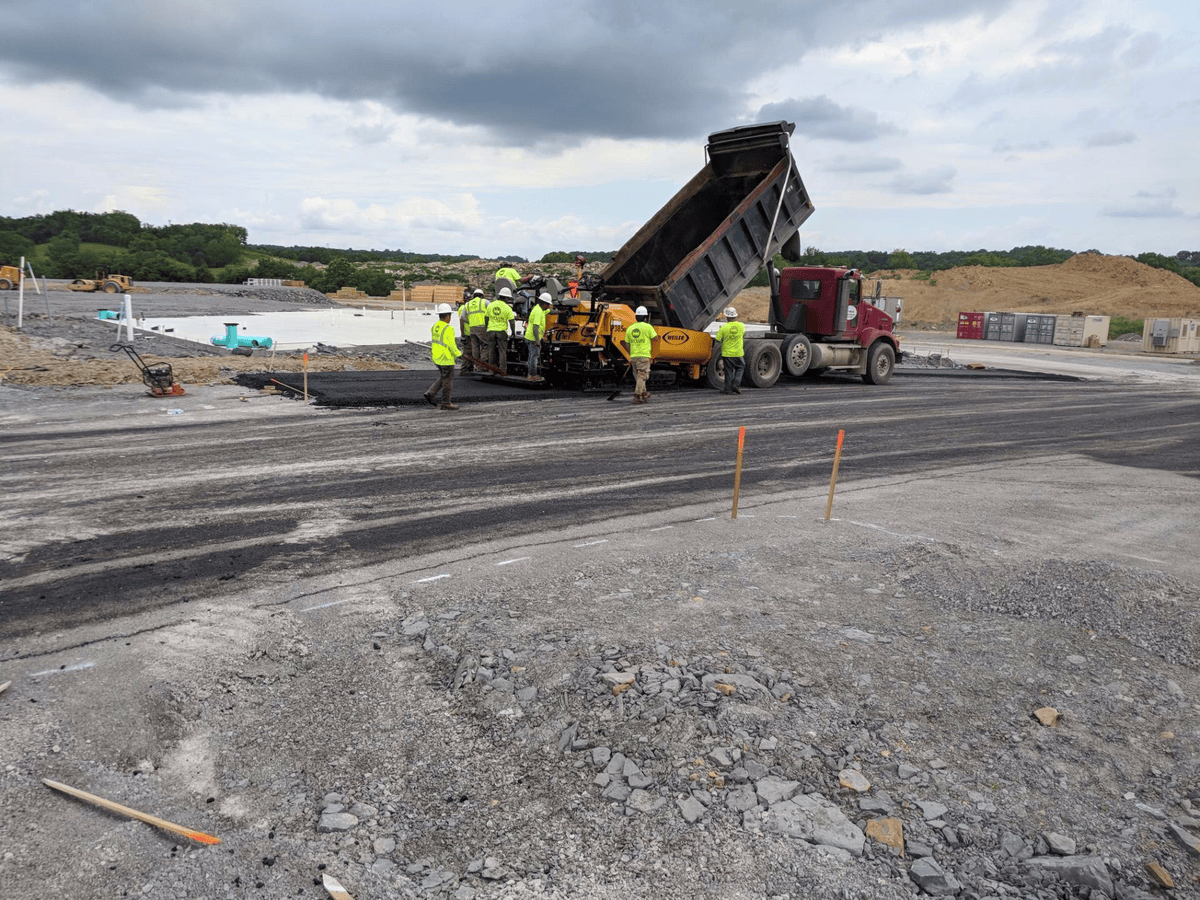
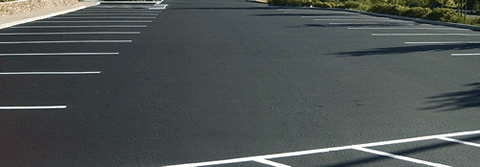
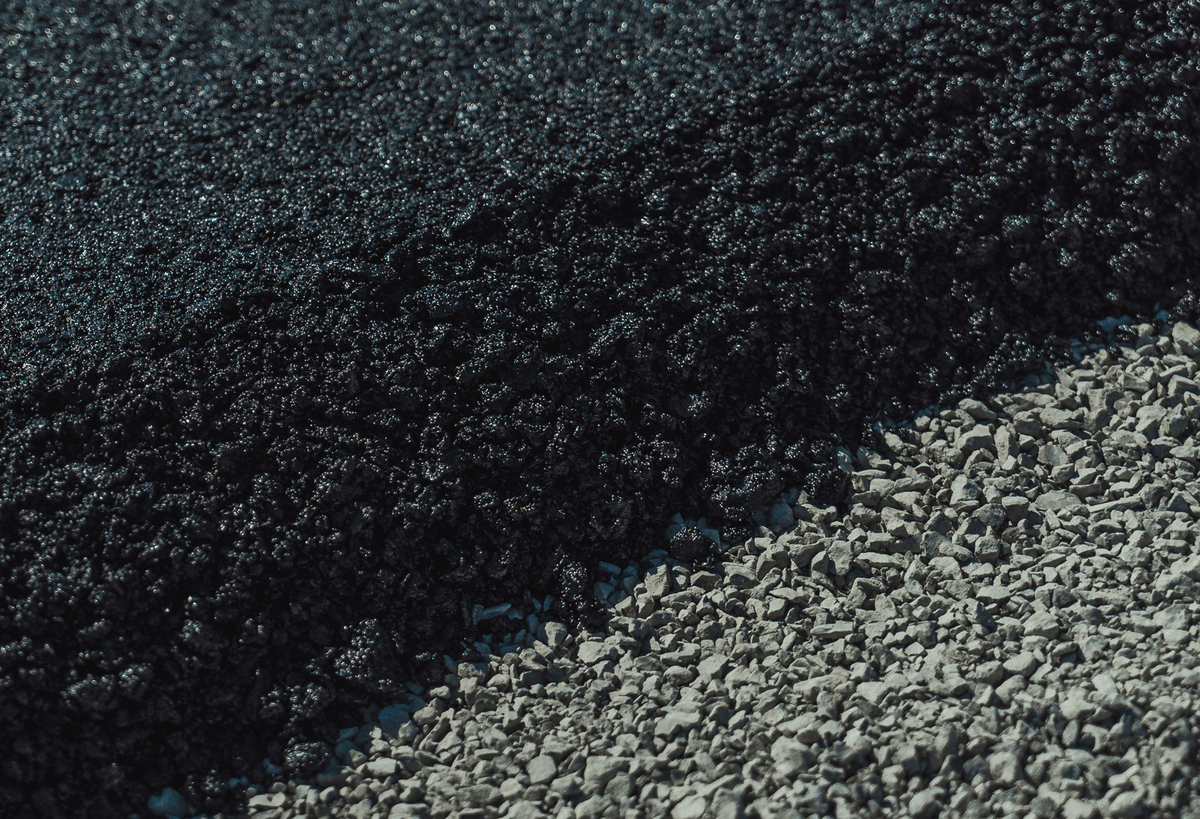
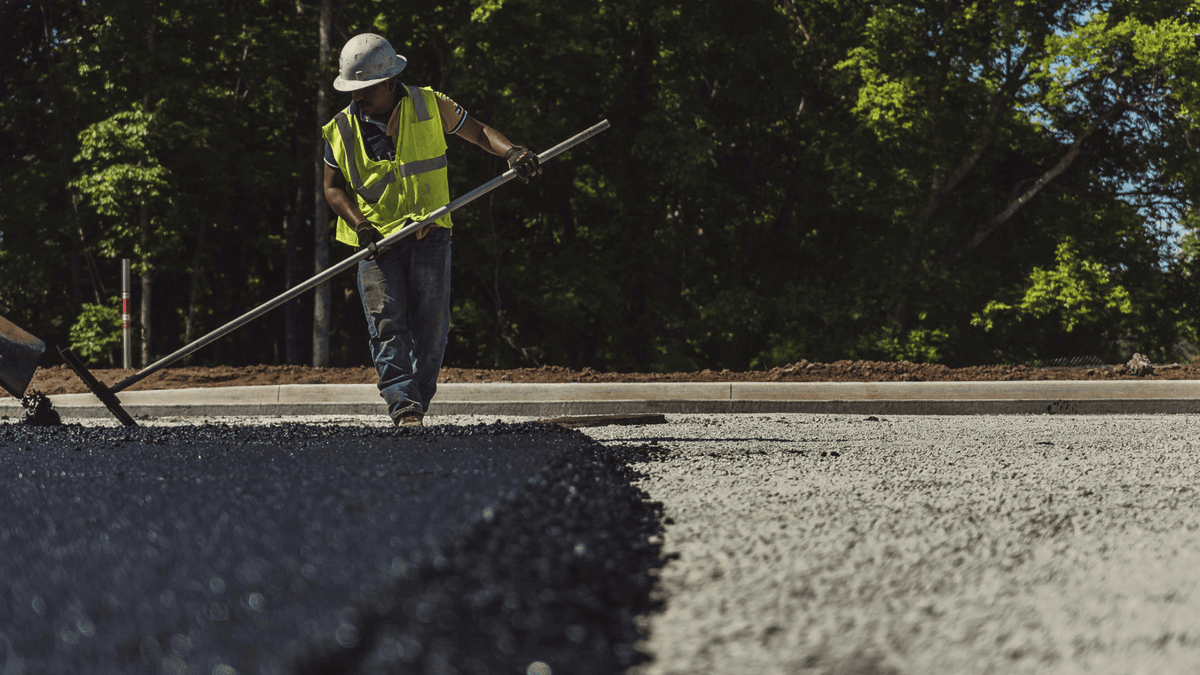
When you call us for asphalt crack sealing in College Station, you can expect a straightforward process built on preparation and the right materials. We have over 10 years working in this area and more than 20 years of combined experience in pavement work, so we know what it takes to get a repair that actually holds. Skipping steps or using the wrong product is one of the main reasons crack repairs fail early, and we do not cut those corners.
How We Inspect, Clean, and Prepare the Surface Before Sealing
Before any sealant goes down, we take a close look at your pavement. Not every crack is the same. Some surface cracks are good candidates for sealing right away, while others point to deeper issues with the base or subgrade. College Station sits on expansive clay soils, and that shrink-swell movement puts real stress on asphalt over time. We check for signs of subgrade movement or fatigue cracking so we can recommend the right fix instead of covering up a bigger problem.
Once we know what we are working with, we clean each crack using a compressed air lance to clear out dirt, debris, and loose material. If a crack needs it, we use a crack router to open the edges cleanly and create a proper channel for the sealant to bond to. A clean, dry surface is not optional. It is what makes the difference between a repair that lasts and one that fails after the first heavy rain.
The Materials We Use and Why They Hold Up in Texas Heat
For most crack repair work, we use hot-applied rubberized asphalt heated to the correct pour temperature using a melter applicator or hot pour kettle. This type of material stays flexible through the temperature swings College Station sees from summer to winter, which helps prevent the sealant from cracking again. We apply it with a wand applicator and finish with a light overbanding to protect the edges of the repair.
When conditions call for it, we also work with polyurea crack filler or cold pour crack sealant, depending on the crack width, depth, and location. For wider joints or areas with more movement, we may use backer rod to control the depth before sealing. The products we use meet recognized standards so you get a result that holds up under College Station traffic and heat.
Good pavement maintenance and proper crack repair work together to slow down damage before it gets expensive. Whether you have a residential driveway or a large surface to manage, the same careful process applies. That brings us to how we approach crack sealing across the different types of properties we serve here in College Station.
Crack Sealing for Driveways, Parking Lots, and Private Roads
Small cracks in asphalt can grow quickly, especially here in College Station where the heat, humidity, and expansive clay soils put constant stress on pavement. When water gets into those cracks, it weakens the base underneath. That leads to bigger repairs down the road. Asphalt crack sealing done right keeps water out and helps your pavement last longer, whether you have a residential driveway, a commercial lot, or a private road.
Residential Driveway Crack Sealing in College Station
Homeowners across neighborhoods like Pebble Creek, Creek Meadows, and Edelweiss deal with surface cracks that seem minor at first. The problem is that College Station's shrink-swell soil conditions cause the ground beneath your driveway to shift with the seasons. That movement works cracks open wider over time. We start with thorough crack cleaning using a compressed air lance to clear out debris and moisture, then apply a hot-pour crack sealant that flexes with the pavement instead of breaking apart. Proper driveway repair at this stage is one of the most cost-effective ways to protect your property and avoid a full replacement later.
Commercial Parking Lot and Private Road Maintenance
For parking lots near Harvey Mitchell Parkway or along Texas Avenue, and for private roads throughout South College Station, pavement maintenance needs a more structured approach. High traffic loads, large surface areas, and vehicle turning stress all speed up crack development. We use hot-applied rubberized asphalt meeting ASTM D6690 standards, applied at the correct temperature with an oil-jacketed melter for a clean, lasting bond. Pavement preservation at the commercial level also means catching problems early. We inspect for fatigue cracking and reflective cracking that may point to deeper base issues before recommending the right course of action. Pairing crack repair with seal coating gives your lot a cleaner look while adding a protective layer against the Texas sun and rain.
With over 20 years of combined experience and more than a decade working right here in the Brazos Valley, we know what College Station pavement goes through. The work we do now is meant to hold up through summer heat and the occasional freeze, reducing your need for repeated repairs over time.
College Station Paving You Can Count On
We are a local asphalt and paving contractor serving College Station, TX and the surrounding Brazos Valley area. Our team has over 20 years of combined experience in asphalt and concrete work, and we have been working right here in College Station for more than 10 years. That means we know the local soil conditions, the Texas heat, the heavy summer rain, and how all of it affects pavement over time.
When asphalt breaks down here, it usually comes down to a few common causes. The intense heat softens and oxidizes the surface. Heavy rain pushes water into small cracks and weakens the base underneath. And regular traffic, whether from cars in a driveway or trucks in a parking lot, adds up fast. We have seen these patterns play out on driveways, parking lots, and commercial properties all across College Station, and we know what it takes to fix them the right way.
Whether you need a new driveway, a repaired parking lot, sealcoating to protect your surface, or crack filling before small problems grow into bigger ones, we handle it all. We work with homeowners, property managers, and business owners, and we treat every job the same way: with honest assessments, proper materials, and work that is built to hold up in this climate.
When you reach out to us, you are not getting a call center or a company from out of town. You are getting a local crew that has spent years working on properties just like yours, right here in College Station.
Take the Next Step to Protect Your Asphalt in College Station
Whether you have a driveway in Pebble Creek, a parking lot near Texas A&M University, or a private road in Castlegate, getting ahead of pavement damage is one of the smartest moves you can make as a property owner. Cracks that go untreated today can turn into potholes, base failures, and costly replacements down the road. Proper asphalt crack sealing stops that cycle before it starts.
Here is what you get when you work with us:
- Over 20 years of combined concrete and asphalt experience, with more than 10 years serving College Station properties
- Correct surface prep including crack cleaning and routing before any sealant touches your pavement
- Quality materials like hot-applied rubberized asphalt and hot-pour crack sealant that hold up in Texas heat
- Knowledge of local soil conditions, including the shrink-swell soil common across Brazos County, so your repair is built to last
- Honest assessments that tell you what actually needs attention rather than upselling you on work you do not need
- A finished surface that looks better and holds up longer, protecting your property value and curb appeal
- Service across College Station neighborhoods, major corridors like Harvey Mitchell Parkway and Rock Prairie Road, and surrounding areas
- Pavement maintenance that saves you real money by preventing larger repairs or full replacement
Good asphalt maintenance is not complicated, but it does need to be done right. If you are ready to protect your driveway, parking lot, or private road, we are ready to help. Get your free quote today by giving us a call or filling out the form below.
College Station Paving Pros
1701 Southwest Pky
College Station, TX 77840
Business Hours
| Mon | 8:00 AM – 8:00 PM |
| Tue | 8:00 AM – 8:00 PM |
| Wed | 8:00 AM – 8:00 PM |
| Thu | 8:00 AM – 8:00 PM |
| Fri | 8:00 AM – 8:00 PM |
| Sat | 9:00 AM – 7:00 PM |